

My Town Cryer
-
Join 760 other subscribers
-
Recent Blog Posts
What’s Tweetin’?
Tweets by MyTownCryerLinks That Help
- Centennial Real Estate
- Cherry Hills Village Real Estate
- Denver Market Data
- Denver Real Estate News
- Girls' Lacrosse in Vail Colorado
- Great Schools Search Site
- Greenwood Village Real Estate
- HUD Homes For Sale
- Inside Denver Real Estate
- Kentwood Company Items of Interest
- Luxury Home Short Sales
- Mortgage Interest Rates
- Moving to Denver?
- News from Colorado Springs
- Search Denver Real Estate
- The Town of Cherry Hills Village
- Trinity Property Inspection
- U.S. National Debt Clock
- World Champion Women's Lacrosse – Caroline Cryer
Archives
- March 2026
- February 2026
- January 2026
- December 2025
- November 2025
- October 2025
- September 2025
- August 2025
- July 2025
- June 2025
- May 2025
- April 2025
- March 2025
- February 2025
- January 2025
- December 2024
- November 2024
- October 2024
- September 2024
- August 2024
- July 2024
- June 2024
- May 2024
- April 2024
- March 2024
- February 2024
- January 2024
- December 2023
- November 2023
- October 2023
- September 2023
- August 2023
- July 2023
- June 2023
- May 2023
- April 2023
- March 2023
- February 2023
- January 2023
- December 2022
- November 2022
- October 2022
- September 2022
- August 2022
- July 2022
- June 2022
- May 2022
- April 2022
- March 2022
- February 2022
- January 2022
- December 2021
- November 2021
- October 2021
- September 2021
- August 2021
- July 2021
- June 2021
- May 2021
- April 2021
- March 2021
- February 2021
- January 2021
- December 2020
- November 2020
- October 2020
- September 2020
- August 2020
- July 2020
- June 2020
- May 2020
- April 2020
- March 2020
- February 2020
- January 2020
- December 2019
- November 2019
- October 2019
- September 2019
- August 2019
- July 2019
- June 2019
- May 2019
- April 2019
- March 2019
- February 2019
- January 2019
- December 2018
- November 2018
- October 2018
- September 2018
- August 2018
- July 2018
- June 2018
- May 2018
- April 2018
- March 2018
- February 2018
- January 2018
- December 2017
- November 2017
- October 2017
- January 2017
- April 2016
- July 2015
- June 2015
- April 2015
- February 2015
- January 2015
- December 2014
- November 2014
- October 2014
- August 2014
- July 2014
- June 2014
- April 2014
- March 2014
- February 2014
- January 2014
- December 2013
- November 2013
- October 2013
- September 2013
- August 2013
- July 2013
- June 2013
- May 2013
- April 2013
- March 2013
- February 2013
- January 2013
- December 2012
- November 2012
- October 2012
- September 2012
- August 2012
- July 2012
- May 2012
- April 2012
- March 2012
- February 2012
- January 2012
- December 2011
- November 2011
- October 2011
- September 2011
- August 2011
- July 2011
- June 2011
- May 2011
- April 2011
- March 2011
- February 2011
- January 2011
- December 2010
- November 2010
- October 2010
- September 2010
- August 2010
- July 2010
- June 2010
- May 2010
- April 2010
- March 2010
- February 2010
- January 2010
- December 2009
- November 2009
- October 2009
- September 2009
- August 2009
- July 2009
- June 2009
- May 2009
- April 2009
- March 2009
- December 2008
- November 2008
Kentwood Real Estate Announces Strategic Marketing
Partnership Will Allow Kentwood’s DenverRealEstate.com Website to Extend Market Reach While Providing Advanced Real Estate Search Capabilities on Denver.com
DENVER – Kentwood Real Estate, Colorado’s Premier Real Estate Company, has announced a strategic marketing partnership with Denver.com, Denver’s leading intuitively-branded home on the Web. The partnership will allow DenverRealEstate.com, Kentwood Real Estate’s leading website, to extend its market reach while providing advanced real estate search capabilities on Denver.com

- Home of the Finest Realtors
Denver.com, a city guide by Boulevards, focuses on providing local neighborhood and community information in the Denver metropolitan area. By combining two of Denver’s top web destinations, users will have a unique opportunity to explore the city and discover areas that fit their lifestyle preferences. DenverRealEstate.com real estate brokers will be available to assist clients with their needs. Kentwood Real Estate agents are among the most experienced in the industry and are consistently ranked among the top-producing agents in the country.
Kentwood Real Estate and DenverRealEstate.com’s marketing programs are unsurpassed in the real estate business. The company’s listings including a wide variety of homes ranging from affordable condominiums and townhomes, to extraordinary luxury estate homes. Home sellers will receive exclusive exposure for their properties through this one-of-a-kind partnership.
“Our agreement with Denver.com is a very strategic and powerful partnership that is beneficial for both parties and especially for our clients and prospective clients,” said Peter Niederman, Chief Executive Officer of Kentwood Real Estate. “Visitors to Denver.com will now have access to real estate on a new, more comprehensive level, with DenverRealEstate.com serving as a powerful platform for real estate searches. The site is live and we look forward to advancing our Internet search capabilities through this important partnership with Denver.com.”
“We are pleased to announce our relationship with Kentwood Real Estate.” said Rich Tancredi, National Real Estate Director at Boulevards. “By working with Kentwood Real Estate to deliver industry-leading real estate services, Denver.com will provide its visitors with top-tier real estate resources, local information and client services from a top local firm.”
Boulevards continues to push the boundaries of the city guide industry. Established in 1994 with the idea of “inventing the local media of the future,” Boulevards’ sites were among the first city guides to allow community postings for both events and businesses. The company operates in 23 of the nation’s top markets and is the largest U.S. operator of city guides branded with high-ranking, intuitive geo-domain sites.
The Boulevards network reaches more than four million unique viewers each month, of which 91 percent are in the United States. Its other properties include Dallas.com, Houston.com, SanAntonio.com, LosAngeles.com, SanJose.com, SanFrancisco.com, Seattle.com and Philadelphia.com. With traffic comparable to the top 600 sites worldwide, Boulevards is one of the nation’s leading online media companies. For more information, visit Boulevards.com.
Kentwood Real Estate is dedicated to its legacy of being “Colorado’s Premier Real Estate Company” through the highest producing, most knowledgeable, caring and experienced sales team in the country, offering the highest quality customer service experience. Kentwood Real Estate is an innovator known for unparalleled marketing strategies and superior Internet technology that places its clients in the best possible position.
Kentwood Real Estate is comprised of The Kentwood Company in the Denver Tech Center, Kentwood Company at Cherry Creek, and Kentwood City Properties in downtown Denver. For more information, visit Kentwood Real Estate online at www.DenverRealEstate.com.
FOR MORE INFORMATION FOR IMMEDIATE RELEASE
Douglas E. Lierle March 18, 2011
Lierle Public Relations on behalf of:
Kentwood Real Estate
303.792.0507
General Contractor Dispute? Here Are Your Legal Options

The Scale of Justice
If you have a general contractor dispute, try some simpler resolution alternatives before you call in Perry Mason.
Skipping court altogether
Sometimes the best way to resolve a general contractor dispute is to avoid legal proceedings. Talk to your contractor about one of the options below if you can’t see eye-to-eye. Indeed, your contract may require the parties try one of these options before turning to the courts.
- A state or local agency. Your state’s contractor licensing agency may have a resolution program for general contractor disputes. Your county may have one as well.
- Mediation. Typically, this is a retired judge or senior construction litigator who hears the respective positions of both parties in the general contractor dispute. Mediators help each party understand the other’s point of view and facilitate a settlement. Their opinions aren’t binding on either party.
- Binding arbitration. Similarly, a judge or litigator will act as the arbitrator and hear both sides of the story in a general contractor dispute. Arbitrators will render a decision, which is binding on both parties. If it’s not to your liking, you have no right to appeal.
Local courts may recommend mediators and arbitrators. Also, you can find mediators and arbitrators at the nonprofit American Arbitration Association. Costs vary widely by location and the level of complexity, but as both parties share the cost, you’ll probably spend less than you would in litigation.
Small claims court—no lawyer necessary
If you can’t agree on mediation or arbitration, try small claims court, which differs from traditional civil court:
- They’re limited to small amounts, with upper limits usually in the $3,000 to $5,000 range.
- They assume you won’t be using an attorney and tend to provide user-friendly instructions on procedures.
Rules can vary from one state to another, but you will find some generalities:
- The jurisdiction of the dispute may be defined in your contract but, if it isn’t, you can file in the county where your contractor is located, where you live, or where the property is based.
- Contact the clerk of the court to obtain and file the necessary paperwork—most courts make the information available online.
Filing costs average around $50, and you may incur additional fees for collection if your contractor loses and still doesn’t pay. You’ll need solid documentation to show you were harmed.
The process is usually less expensive than civil court and often a lot less painful, although you may have to do a lot of prep work and there’s no guarantee.
Civil court—get a good lawyer
If your dispute is more than the amount allowable in small claims, start your journey through the legal system. Find an attorney with extensive experience in contractor litigation.
Your attorney can guide you through the process, and you’ll be out-of-pocket for filing expenses. Filing fees will run from $250 to $800 depending on the court in which you file, according to Jack Harari of the Manhattan-based law firm Weidenbaum & Harari.
You’ll also be looking at attorney’s fees, which can be paid on a contingency basis (a percentage of what’s recovered), or on an hourly basis ($200 to $500 per hour).
Published: February 24, 2011
Barbara Eisner Bayer has written about personal finance for the past 17 years. She’s luckily avoided construction litigation, but once brought a deadbeat to small claims court and won.
HAPPY ST. PATRICK’S DAY!!

St. Patrick's Day

St. Patrick's Day
Don’t look back unless you can smile! Don’t look forward unless you can dream!
Posted in Uncategorized
Leave a comment
Do You Have a Contractor Agreement: 7 Simple Steps to an Iron-Clad Contract

HOME BUILDER
Follow these seven tips to make sure your contractor agreement works in your favor—not your builder’s.
Step 1: Hire a lawyer
Contractors use their own forms, which are drafted for their benefit, not yours. You’ll benefit from hiring an attorney to review your contractor agreement or draft one that’s you-friendly. Even though this may cost around $250 to $500, it can save thousands of dollars later if there’s a dispute.
Step 2: Take the home court advantage
Add a “choice of law” or “forum selection” provision, which says that disputes will be litigated on your turf. This provides protection against out-of-town contractors or suppliers—you don’t want to have to drag yourself across multiple state lines for a lawsuit.
Step 3: Create an incentive to finish
Define when the contactor will deliver on his promises, and when he’ll get his money. Within the contractor agreement, create a payment schedule in your favor by holding money back until the work is fully completed and you’ve verified the final payments to subcontractors.Maintain control by holding the purse strings.
Step 4: Reeling in a runaway contractor
The most common problem you’ll encounter is a general contractor who gets paid, but doesn’t pay his subcontractors and suppliers—possibly leaving you on the hook, according to Craig Robelen, a home builder in Boca Raton, Fla.
Robelen advises protecting yourself upfront by requesting the names of all professionals your builder will work with. Verify that your contractor has paid his subcontractors by requesting conditional partial lien releases during the construction term, and a final lien release at completion. (Have the general contractor collect them and present them to you.) These are essentially formal acknowledgments from subcontractors that they are being paid for work done.
Also, see if your contractor has a “payment bond” that guarantees subcontractors will be paid.
Step 5: Corral unauthorized costs
Your contract should state that any changes that will affect the price of construction should be in writing and countersigned by both you and your contractor. This protects you from unauthorized charges.
Step 6: Avoid kickbacks
Protect yourself from kickbacks—where contractors gets bonuses from their subs for referring business—by requesting that builders sign affidavits that they’re not getting any “fees” from subcontractors as a prerequisite for doing business with them. Keep costs well-defined by asking for a “bid summary,” which should show a minimum of three quotes in every cost category of your budget.
Step 7: Binding words
If you’d like to avoid going to court in case of a dispute, add a clause in the contractor agreement for binding arbitration. If there’s a problem, you and your contractor will plead your case in front of a non-biased arbitrator, whose decision will be final.
If your contractor balks on any contract point you feel strongly about, do some more research. Maybe what you’re asking isn’t typical for that kind of job. Talk with neighbors who have had similar work done and sound out other contractors regarding their policies on the disputed issue before you sign anything. This helps you determine what’s customary for your particular area.
Published: February 24, 2011
Barbara Eisner Bayer has written about personal finance for the past 17 years. She recently completed a home renovation on time, on budget, with the aid of a cold compress on her forehead.
The Contractor Bond: When A Bond is Not Your Contractor’s Word!

A Handshake
Assurance
“Word is bond,” the saying goes, but with home improvements, the contractor bond should be in writing.
What is a contractor bond?
When a contracting company tells you it’s bonded, that means it’s purchased a product, typically from an insurance company, called a “surety bond.” This is a three-part agreement between:
- You, as the customer, called the “obligee.”
- Your contractor, called the “principal.”
- The surety company that issues the bond.
The surety bond is a guarantee that contractors will offer certain services to you, as outlined in the work contract, and if they don’t, you can report the problems to the surety company and get a cash payment.
Different kinds of contractor bonds
Surety bonds have wide application in the business world, but only a few types are relevant when dealing with home improvements contractors:
- Performance and completion bonds. These ensure the work will be performed and completed to your satisfaction, as outlined in the contract. As attorney Jack Harari of Weidenbaum and Harari in New York says, if the contractor bungles the job, just walks away from a half-finished job, or even goes belly-up right in the middle, you’re covered. Insist on these bonds for any building jobs.
- Payment bonds. These protect you against claims from subcontractors. If the contractor you hired to build a garage doesn’t pay the supplier who sold him the cinder blocks, the supplier will have recourse against the contractor. Why should you even care? Because a stiffed subcontractor could come after you, even if there wasn’t a direct contract with you. These bonds are only necessary if your contractor is making major outlays to other suppliers and contractors.
- License and permit bonds. If state authorities require licenses or permits to do business, they may require contractors to purchase these bonds. Provisions may vary from one location to another.
It can be comforting to know that a license automatically means a bond, but don’t assume that these bonds will be enough: They may not have a high enough financial ceiling to cover your job, and they might not include a payment bond for subcontractors.
Read the bond’s fine print
Since each bond’s provisions may vary, you have to sweat the details:
- Before any contractors start work, find out who has bonded them and exactly what for. Does the contractor bond specifically cover what is outlined in your contract? Can they show you a “certification” providing they have the bond?
- If bonding comes with a state or local license, make sure the contractor’s license is up-to-date. Your town or county may have an online list of local contractors who are licensed, and the builders themselves should have proof.
- Never assume, says Wayne B. Heicklen, Co-Chair of the Real Estate Group at New York law firm Pryor Cashman. He advises you to read the financial details of the bond so you know what you’re going to get and under what circumstances.
- Don’t skimp! It’s true that premiums for bonds are expensive and as a result, a bonded contractor may charge 1% to 3% more for a project than an unbonded one. But if you go with an unbonded contractor to save a few bucks, you may regret it later. The unbonded contractor may have been unable to get a bond because of past mistakes, just as a driver with multiple moving violations has trouble getting car insurance.
By: Nancy Mandell
Published: February 24, 2011
Nancy R. Mandell is a New Jersey-based financial writer who has worked for On Wall Street and Wealth Manager magazines. A longtime home owner, she has had to work with her share of contractors over the years.
Contractor Dispute? Your Local Licensing Authorities Are On Your Side!
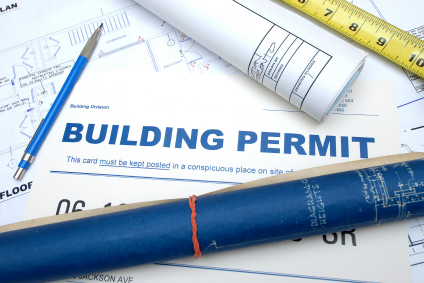
Building Department
When a contractor dispute erupts, state and local licensing authorities have the muscle to get you satisfaction.
What does it mean to be licensed?
This varies from one location to another and one profession to another. Plumbers andelectricians typically have strict and near-universal licensing requirements. General home contractors may face fewer licensing requirements.
If a contractor has a license, however, you can usually assume he has:
- A certain level of education or training.
- A minimum level of experience.
- Passed an examination.
- Kept up with changes in code.
There is no absolute guarantee—licensed professionals of all stripes face charges all the time. But with a licensed professional, you’re far more likely to have your project turn out well, and a better chance of redress if it doesn’t.
Note also that licenses usually refer to professional competence, not general business practices. For example, a licensed plumber may be in violation of his license if he improperly installs a pipe so that it floods your kitchen.
However, if all he’s guilty of is taking a month to install a new bathroom when he promised it would be done in two weeks, that’s probably not a violation of his license. In that case, you may have recourse with a lawsuit or a bond.
Who supervises the contractors?
With those caveats in mind, if you do face a case of actual contractor incompetence, you may be able to hit them where it hurts by reporting them to whichever agency regulates them.
You need to check your area—state, county, or town—to discover who, if anyone, is regulating the guy working on your home. Check your local government website to see which work your town or county licenses.
Unfortunately, regulators can’t fight every scam or help with every contractor dispute. Regulation is a patchwork affair, with no federal standards:
- Plumbers and electricians almost always need state or local licenses, so they’re the easiest to confront at this level.
- Other firms may require licenses for all their work, certain kinds of work, or none at all.
- Sometimes independent professional organizations set standards, even though local authorities enforce them.
What can licensing authorities do?
A lot!
You can contact the state or local licensing agency, and if your claim has merit, you can have your contractor disciplined, says Kia Ricchi, a Florida licensed building contractor and author of Avoiding the Con in Construction. Remedies may include:
- Fines, on top of refunds for poorly done work.
- Suspension or revocation of a professional license.
- Loss of membership in a professional organization.
In short, these agencies can temporarily or even permanently take away their right to work.
In addition, some states also have recovery funds available to home owners who have suffered monetary losses to a licensed contractor. Again, this varies by state, and the amount available may be limited.
Of course, you can’t get help unless your contractor is licensed, so check at the above site before your sign a contract to make sure the firm you’re considering has all the relevant state and local licenses.
Registration—it ain’t a license
Before you rev yourself up to settle a contractor dispute, however, know your terms: In some areas, firms have to register with a local authority, but this is different from licensing, says Carmen Amabile, a Michigan residential maintenance and alteration contractor, and author of How to Hire, Manage, and Fire Your Contractor.
Registration is usually little more than a list. Almost anyone can easily register by providing name and address to a local authority and paying a fee. You’ll get little traction in reporting a firm that merely had to “register.”
By: Gwen Moran
Published: February 24, 2011
Gwen Moran is a freelance business and finance writer from the Jersey shore. She’s the co-author of The Complete Idiot’s Guide to Business Plans and writes frequently about real estate.
Fighting Back When a Bad Contractor Shows Up at Your House!

FIRING THE BAD CONTRACTOR
Don’t take contractor abuse lying down. If your contractor has fouled up your home improvement project–or disappeared altogether–you have recourse.

FIRING THE BAD CONTRACTOR
Maybe the contractors took on more work than they could handle or their credit dried up in the middle of a job. Worst-case scenario, they’re out-and-out scam artists.
Don’t get mad: Get motivated to defend yourself. Here’s how.
Fire the contractor
Firing is the obvious, but not an easy, step when things go seriously wrong. Your contractor could challenge the firing in court as a breach of contract: You must show that he or she breached the agreement first.
Document each time they didn’t live up to the specifics of the contract, such as substituting inferior materials or failing to stick to the schedule. Then send a return-receipt letter to their business and home addresses stating that unless the problem is rectified within a specified number of days, they’re in breach of contract, and you will be terminating it.
The catch: Contractors probably won’t refund money you’ve already paid. If you’ve written any checks up front, this tactic can be costly.
Request a hearing
Some construction contracts include a binding arbitration clause, where parties agree to resolve disputes by arbitration, rather than in court. Arbitration is a relatively low-cost process in which each side presents its case to an independent authority, who makes a final decision.
Even if your contract has no such provision, you can request a similar hearing. The Better Business Bureau, a national nonprofit association, offers mediation services for free or for a nominal fee of around $50. Neither the home owner nor the contractor needs to be a member of the organization.
The catch(es): You must get the contractor to agree to mediation (good luck!). And mediators and arbitrators look to the contract for guidance. If you have a badly written one, you may be out of luck in mediation.
Hire an attorney
Hire a construction attorney who knows the ins and outs of state statutes and can work around weaknesses in the contract. Unlike BBB hearings, the contractor can’t opt out of a lawsuit.
If the contractor has disappeared altogether, you may be able to collect money from a state contractor recovery fund consisting of contractor licensing fees, or from a bond the contractor posted at the start of your project, which is required in some states.
The catch: Attorneys charge $100 to $300 per hour for these cases. So unless you’re dealing with a big-ticket project, you’ll likely spend more on the attorney than you will collect from the contractor.
Take your case to small claims court
In small claims courts, you represent yourself and pay just a few dollars to bring a case. The rules depend on your local jurisdiction, but typically a judge hears from both parties, asks questions, and then resolves the issues.
The catch: Small claims are just that. In most places, award limits range from $3,000 to $7,500. In Kentucky, coming in lowest, it’s $1,500; in parts of Tennessee, highest, it’s $25,000.
File complaints and bad reviews
A slew of websites allow you to post information about bad contractors, includingangieslist.com, franklinreport.com, and contractorsfromhell.com. You can also file a complaint with the state contractor licensing board, which could make the information public if it receives enough complaints.
These steps won’t fix your crooked tile, but you may take comfort in knowing that you’ve protected a fellow home owner from the same fate.
The catch: A contractor could sue you for libel over a bad review. State laws vary, but truth is a strong defense, says Atlanta attorney Alan Begner, president of the First Amendment Lawyers Association, a trade group. Still, a big contractor with deep pockets could force you to spend tens of thousands in your own defense. To decide how–and whether–to go after your contractor, ask a construction attorney to review your situation. You’ll pay between $500 and $1,000 for a consultation, but you could save far more money (and aggravation) in the long run.
By: Oliver Marks
Published: March 4, 2011
A former carpenter and newspaper reporter, Oliver Marks has been writing about home improvements for 16 years. He’s currently restoring his second fixer-upper with a mix of big hired projects and small do-it-himself jobs.
Our Hearts and Prayers Reach Out to Our Friends in Japan // 私たちの心と祈りは、日本の私達の友人に手を差し伸べる

Mother Earth
After watching the devastation on TV this AM, I was amazed. We are so fragile. Mother Earth is able to whipsaw us at a moments notice. We are just passengers on Old Planet Earth. I thought this link was interesting and reminded me of many things I already new of Japan, but had forgotten. Just click here.
テレビ、このAMの荒廃を見た後、私は驚いた。我々はとても壊れやすいものです。母なる地球は瞬間の通知でお問い合わせホイップソーすることができます。私達はちょうど旧地球上で乗客です。私は、このリンクが面白く、多くのことを私にすでに日本の新しいのを思い出しました考え忘れていた。ちょうどここをクリックしてください。
Posted in Uncategorized
Leave a comment

 MyTownCryer
You must be logged in to post a comment.