
The Contractor Bond: When A Bond is Not Your Contractor’s Word!

A Handshake

A Handshake

Assurance

“Word is bond,” the saying goes, but with home improvements, the contractor bond should be in writing.

What is a contractor bond?

When a contracting company tells you it’s bonded, that means it’s purchased a product, typically from an insurance company, called a “surety bond.” This is a three-part agreement between:

  • You, as the customer, called the “obligee.”
  • Your contractor, called the “principal.”
  • The surety company that issues the bond.

The surety bond is a guarantee that contractors will offer certain services to you, as outlined in the work contract, and if they don’t, you can report the problems to the surety company and get a cash payment.

Different kinds of contractor bonds

Surety bonds have wide application in the business world, but only a few types are relevant when dealing with home improvements contractors:

  • Performance and completion bonds. These ensure the work will be performed and completed to your satisfaction, as outlined in the contract. As attorney Jack Harari of Weidenbaum and Harari in New York says, if the contractor bungles the job, just walks away from a half-finished job, or even goes belly-up right in the middle, you’re covered. Insist on these bonds for any building jobs.
  • Payment bonds. These protect you against claims from subcontractors. If the contractor you hired to build a garage doesn’t pay the supplier who sold him the cinder blocks, the supplier will have recourse against the contractor. Why should you even care? Because a stiffed subcontractor could come after you, even if there wasn’t a direct contract with you. These bonds are only necessary if your contractor is making major outlays to other suppliers and contractors.
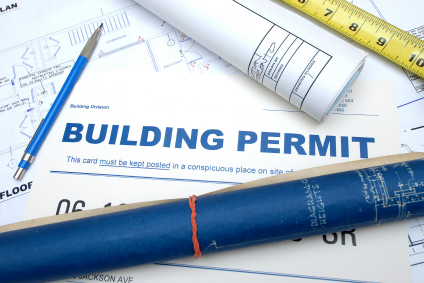
  • License and permit bonds. If state authorities require licenses or permits to do business, they may require contractors to purchase these bonds. Provisions may vary from one location to another.

It can be comforting to know that a license automatically means a bond, but don’t assume that these bonds will be enough: They may not have a high enough financial ceiling to cover your job, and they might not include a payment bond for subcontractors.

Read the bond’s fine print

Since each bond’s provisions may vary, you have to sweat the details:

  • Before any contractors start work, find out who has bonded them and exactly what for. Does the contractor bond specifically cover what is outlined in your contract? Can they show you a “certification” providing they have the bond?
  • If bonding comes with a state or local license, make sure the contractor’s license is up-to-date. Your town or county may have an online list of local contractors who are licensed, and the builders themselves should have proof.
  • Never assume, says Wayne B. Heicklen, Co-Chair of the Real Estate Group at New York law firm Pryor Cashman. He advises you to read the financial details of the bond so you know what you’re going to get and under what circumstances.
  • Don’t skimp! It’s true that premiums for bonds are expensive and as a result, a bonded contractor may charge 1% to 3% more for a project than an unbonded one. But if you go with an unbonded contractor to save a few bucks, you may regret it later. The unbonded contractor may have been unable to get a bond because of past mistakes, just as a driver with multiple moving violations has trouble getting car insurance.

By: Nancy Mandell

Published: February 24, 2011

Nancy R. Mandell is a New Jersey-based financial writer who has worked for On Wall Street and Wealth Manager magazines. A longtime home owner, she has had to work with her share of contractors over the years.

 

Posted in Buying or Selling Real Estate, Centennial, Cherry Hills Village, Colorado, Denver, Denver Housing, Denver Residential Real Estate, Greenwood Village | Tagged | Leave a comment

Contractor Dispute? Your Local Licensing Authorities Are On Your Side!

Building Department

Building Department

When a contractor dispute erupts, state and local licensing authorities have the muscle to get you satisfaction.

What does it mean to be licensed?

This varies from one location to another and one profession to another. Plumbers andelectricians typically have strict and near-universal licensing requirements. General home contractors may face fewer licensing requirements.

If a contractor has a license, however, you can usually assume he has:

  • A certain level of education or training.
  • A minimum level of experience.
  • Passed an examination.
  • Kept up with changes in code.

There is no absolute guarantee—licensed professionals of all stripes face charges all the time. But with a licensed professional, you’re far more likely to have your project turn out well, and a better chance of redress if it doesn’t.

Note also that licenses usually refer to professional competence, not general business practices. For example, a licensed plumber may be in violation of his license if he improperly installs a pipe so that it floods your kitchen.

However, if all he’s guilty of is taking a month to install a new bathroom when he promised it would be done in two weeks, that’s probably not a violation of his license. In that case, you may have recourse with a lawsuit or a bond.

Who supervises the contractors?

With those caveats in mind, if you do face a case of actual contractor incompetence, you may be able to hit them where it hurts by reporting them to whichever agency regulates them.

You need to check your area—state, county, or town—to discover who, if anyone, is regulating the guy working on your home. Check your local government website to see which work your town or county licenses.

Unfortunately, regulators can’t fight every scam or help with every contractor dispute. Regulation is a patchwork affair, with no federal standards:

  • Plumbers and electricians almost always need state or local licenses, so they’re the easiest to confront at this level.
  • Other firms may require licenses for all their work, certain kinds of work, or none at all.
  • Sometimes independent professional organizations set standards, even though local authorities enforce them.

What can licensing authorities do?

A lot!

You can contact the state or local licensing agency, and if your claim has merit, you can have your contractor disciplined, says Kia Ricchi, a Florida licensed building contractor and author of Avoiding the Con in Construction. Remedies may include:

  • Fines, on top of refunds for poorly done work.
  • Suspension or revocation of a professional license.
  • Loss of membership in a professional organization.

In short, these agencies can temporarily or even permanently take away their right to work.

In addition, some states also have recovery funds available to home owners who have suffered monetary losses to a licensed contractor. Again, this varies by state, and the amount available may be limited.

Of course, you can’t get help unless your contractor is licensed, so check at the above site before your sign a contract to make sure the firm you’re considering has all the relevant state and local licenses.

Registration—it ain’t a license

Before you rev yourself up to settle a contractor dispute, however, know your terms: In some areas, firms have to register with a local authority, but this is different from licensing, says Carmen Amabile, a Michigan residential maintenance and alteration contractor, and author of How to Hire, Manage, and Fire Your Contractor.

Registration is usually little more than a list. Almost anyone can easily register by providing name and address to a local authority and paying a fee. You’ll get little traction in reporting a firm that merely had to “register.”

By: Gwen Moran

Published: February 24, 2011

Gwen Moran is a freelance business and finance writer from the Jersey shore. She’s the co-author of The Complete Idiot’s Guide to Business Plans and writes frequently about real estate.


Posted in 2010 Mid Year Denver Market Watch, Buying or Selling Real Estate, Centennial, Cherry Hills Village, Colorado, Denver, Denver Housing, Denver Residential Real Estate, Greenwood Village | Tagged | Leave a comment

Fighting Back When a Bad Contractor Shows Up at Your House!


FIRING THE BAD CONTRACTOR

FIRING THE BAD CONTRACTOR

Don’t take contractor abuse lying down. If your contractor has fouled up your home improvement project–or disappeared altogether–you have recourse.


Maybe the contractors took on more work than they could handle or their credit dried up in the middle of a job. Worst-case scenario, they’re out-and-out scam artists.

Don’t get mad: Get motivated to defend yourself. Here’s how.

Fire the contractor

Firing is the obvious, but not an easy, step when things go seriously wrong. Your contractor could challenge the firing in court as a breach of contract: You must show that he or she breached the agreement first.

Document each time they didn’t live up to the specifics of the contract, such as substituting inferior materials or failing to stick to the schedule. Then send a return-receipt letter to their business and home addresses stating that unless the problem is rectified within a specified number of days, they’re in breach of contract, and you will be terminating it.

The catch: Contractors probably won’t refund money you’ve already paid. If you’ve written any checks up front, this tactic can be costly.

Request a hearing

Some construction contracts include a binding arbitration clause, where parties agree to resolve disputes by arbitration, rather than in court. Arbitration is a relatively low-cost process in which each side presents its case to an independent authority, who makes a final decision.

Even if your contract has no such provision, you can request a similar hearing. The Better Business Bureau, a national nonprofit association, offers mediation services for free or for a nominal fee of around $50. Neither the home owner nor the contractor needs to be a member of the organization.

The catch(es): You must get the contractor to agree to mediation (good luck!). And mediators and arbitrators look to the contract for guidance. If you have a badly written one, you may be out of luck in mediation.

Hire an attorney

Hire a construction attorney who knows the ins and outs of state statutes and can work around weaknesses in the contract. Unlike BBB hearings, the contractor can’t opt out of a lawsuit.

If the contractor has disappeared altogether, you may be able to collect money from a state contractor recovery fund consisting of contractor licensing fees, or from a bond the contractor posted at the start of your project, which is required in some states.

The catch: Attorneys charge $100 to $300 per hour for these cases. So unless you’re dealing with a big-ticket project, you’ll likely spend more on the attorney than you will collect from the contractor.

Take your case to small claims court

In small claims courts, you represent yourself and pay just a few dollars to bring a case. The rules depend on your local jurisdiction, but typically a judge hears from both parties, asks questions, and then resolves the issues.

The catch: Small claims are just that. In most places, award limits range from $3,000 to $7,500. In Kentucky, coming in lowest, it’s $1,500; in parts of Tennessee, highest, it’s $25,000.

File complaints and bad reviews

A slew of websites allow you to post information about bad contractors, includingangieslist.comfranklinreport.com, and contractorsfromhell.com. You can also file a complaint with the state contractor licensing board, which could make the information public if it receives enough complaints.

These steps won’t fix your crooked tile, but you may take comfort in knowing that you’ve protected a fellow home owner from the same fate.

The catch: A contractor could sue you for libel over a bad review. State laws vary, but truth is a strong defense, says Atlanta attorney Alan Begner, president of the First Amendment Lawyers Association, a trade group. Still, a big contractor with deep pockets could force you to spend tens of thousands in your own defense.

To decide how–and whether–to go after your contractor, ask a construction attorney to review your situation. You’ll pay between $500 and $1,000 for a consultation, but you could save far more money (and aggravation) in the long run.

By: Oliver Marks

Published: March 4, 2011

A former carpenter and newspaper reporter, Oliver Marks has been writing about home improvements for 16 years. He’s currently restoring his second fixer-upper with a mix of big hired projects and small do-it-himself jobs.

Posted in Buying or Selling Real Estate, Centennial, Cherry Hills Village, Colorado, Denver, Denver Housing, Denver Residential Real Estate, Greenwood Village | Tagged | 2 Comments

Our Hearts and Prayers Reach Out to Our Friends in Japan // 私たちの心と祈りは、日本の私達の友人に手を差し伸べる

Mother Earth

Mother Earth

After watching the devastation on TV this AM, I was amazed.  We are so fragile. Mother Earth is able to whipsaw us at a moments notice.  We are just passengers on Old Planet Earth.  I thought this link was interesting and reminded me of many things I already new of Japan, but had forgotten.  Just click here.

テレビ、このAMの荒廃を見た後、私は驚いた。我々はとても壊れやすいものです。母なる地球は瞬間の通知でお問い合わせホイップソーすることができます。私達はちょうど旧地球上で乗客です。私は、このリンクが面白く、多くのことを私にすでに日本の新しいのを思い出しました考え忘れていた。ちょうどここをクリックしてください。

Posted in Uncategorized | Leave a comment

A New Listing At 11702 W. 84th Place Arvada, Colorado 80005

This is a beautiful home as you will see as you watch the virtual tour presented here.  We are starting at a great price, and we expect plenty of activity.  Please take the time to schedule a private showing.

Posted in 2010 Mid Year Denver Market Watch, Buying or Selling Real Estate, Centennial, Cherry Hills Village, Colorado, Denver, Denver Housing, Denver Residential Real Estate, Greenwood Village | Tagged | Leave a comment

Super Joe Hubert Is Back with a February, 2011 Denver Market Update

Super Joe Hubert

Super Joe Hubert

Combined DTC MLS Areas

  • As a quick recap, February, 2011 combined MLS Residential Statistics had the following changes compared to February of 2010.
  • Decrease in the Number of Closed Sales to 1,770 (down 7.5%)
  • Average Days on Market increased to 123 days
  • Number of Active Listings decreased 4.7% to 13,393
  • Absorption Rate increased to 7.7 months (up 13.8%)
  • Average Sold Price decreased slightly ( 1.6 % from $269,688 to $265,277)

For more details on the combined MLS Residential Statistics, select the first link below titled “Total MLS” or feel free to contact me if you have any questions.

Joe Hubert – jhubert@ltgc.com

Total MLS
All Metrolist Areas as one download
Aurora North (AUN)
Aurora South ( AUS)
Brighton, Fort Lupton (BFL)
Broomfield (BRM)
Douglas County West (DCW)
Douglas Elbert Parker (DEP)
Douglas Highlands Ranch Lone Tree (DHL)
Denver Northeast (DNE)
Denver Northwest (DNW)
Denver Southeast (DSE)
Denver Southwest (DSW)
Downtown Denver (DTD)
East Suburban North (ESN)
East Suburban South (ESS)
Jefferson County Central (JFC)
Jefferson County North (JFN)
Jefferson County South (JFS)
Jefferson County West (JFW)
Jefferson County Northcentral (JNC)
Jefferson County Southcentral (JSC)
Lafayette (LAF)
Mountain Clear Creek (MCC)
Mountain Conifer Pine (MCP)
Mountain Evergreen North (MEN)
Mountain Evergreen South (MES)
Mountain Gilpin County (MGC)
Mountain Jefferson County (MJC)
Mountain Jefferson North (MJN)
Mountain Jefferson South (MJS)
Mountain Park County (MPC)
Mountain Park East (MPE)
North Northeast Suburban (NNE)
North Northwest Suburban (NNW)
North Suburban Central (NSC)
North Suburban East (NSE)
North Suburban West (NSW)
South Suburban Central (SSC)
South Suburban East (SSE)
Superior (SUP)

Posted in Uncategorized | Leave a comment

Great Values in Parker, Centennial, Highlands Ranch, Castle Rock and Littleton Between $350K and $400K!

I was showing properties Friday, Saturday and Sunday in these 5 communities in this price range, and I saw opportunity after opportunity.

From homes less than a few years old to homes with substantial remodelling and some experience since their year of construction.

Now’s the time to be active in the market. Rates, available inventory and prices make affordability the best it’s been in years.

We Are Denver Real Estate

Posted in Uncategorized | Tagged , , | Leave a comment

Given the chance, to where would you travel?

Where would you travel?

Where would you travel?

I was driving along today.  I looked down at my dash, it registered 68 degrees.  I looked at a couple of exits and wondered where they could take me.  Before I knew it, I wondered where would I go?  Then I wondered, where would you go?  Skiing, camping, hiking, beaching, cruising, flying, climbing or where, where would you go?

Touchdown Jesus

Touchdown Jesus

Some of my most memorable trips have been the simplest.  That’s not to say some of the most elaborate trips have not been memorable.  Like the quote, “It’s not the destination, it’s the journey” rings true to me.  More often than not, it’s what happens along the way.

I remember the flat tire, the deadly dog leash and the canceled flight.  I remember the traffic or the lack there off.  I remember the meal at someone’s kitchen table.  I remember the linens in the luxury hotel, and I remember the stars sleeping out on the ground.

Fam at the Beach

Fam at the Beach

I love hearing the stories of others too.  Some are riotous, some are glorious and some are grueling.  More often these days, the stories in the news about truly egregious or catastrophic events that mar people travels seen on the TV news tend to freeze you in your tracks.  Imagine landing in the Hudson River while watching the New York City Skyline.

94 Disco in Moab

94 Disco in Moab

Given the chance, time and the epiphany of no more college tuition bills, I would like to see the top of the earth, the bottom of the earth, Australia, New Zealand, Alaska and a list of Pacific and Atlantic Islands.  Given the chance, to where would you travel?

Posted in Devil’s Tower | Tagged | Leave a comment

Low-VOC Paint Protects Health, Pocketbook

Low-VOC paints are kind to your health, and they won’t break the bank, either.  Learn more about these eco-friendly ways to brighten a room.

VOCs health hazards

Volatile organic compounds (VOCs) are solids and liquids that convert easily to gas or vapor at room temperature. VOCs are contained in many paint products and have been linked to a variety of health problems–watery eyes, headaches, asthma, respiratory diseases and cancer.

Common paint VOCs

Common VOCs in paint include ethylene glycol (the same chemical compound found in antifreeze), formaldehyde, benzene, and a variety of other flammable or toxic chemicals. The paint’s materials safety data sheet (MSDS) lists the hazardous materials the product contains. Laminated MSDS sheets are usually displayed in paint stores, or you can download them from a paint manufacturer’s website.

VOC regulations

Current EPA regulations limit VOCs to 250 grams/liter in latex paint, and 380 grams/liter in oil-based paint. Low-VOC paints, now available from most major manufacturers, clock in at less than 50 grams/liter in flat paints, and 150 grams/liter in gloss paints. Some go even lower, hitting 25- or even 10-gram/liter benchmarks.

A paint that has 5 grams or less/liter can claim “zero-VOC” status.

Low-VOC price

Painters shy away from low-VOC paint, thinking it’s more expensive than the stuff that’s hazardous to their health. In fact, low-VOC and zero-VOC paint are comparable in price to any paint that’s comparable in coverage.

Price is determined by how much bang you get from a gallon. Benjamin Moore’s zero-VOC Aura paint sells for almost $60 per gallon, not because it’s zero VOC, but because it is self-priming and requires only two coats to cover a room. Benjamin Moore’s low-VOC line, Ben, costs about $35 per gallon, comparable to other VOC-laden premium paints.

Tints and VOCs

Even if you buy low-VOC paint, you can unwittingly raise toxic levels by adding tints tainted with VOCs. Low-VOC tints are available, so ask for them when lightening or darkening paint.

By: Joseph D’Agnese Published: October 13, 2010

Joseph D’Agnese is a journalist and book author who has written numerous articles on home improvement.


Posted in Buying or Selling Real Estate, Centennial, Cherry Hills Village, Colorado, Denver, Denver Housing, Denver Residential Real Estate, Greenwood Village | Tagged , | Leave a comment

Freshen Your Wall Surfaces and Put on a Fresh Fresh Face!!

Wall Repair Techniques

Wall Repair Techniques

Sooner or later you’ll repair those walls that make rooms look worn out. Erasing dings, dents, and scuffs is an easy fix. You won’t be disappointed!

Patch drywall to smooth walls

A putty knife, Spackle, or joint compound can repair wall damage that ages a room.

Dents and dings: A quart of Spackle ($11) and a putty knife can fill dozens of small wall indentations. Spackle adheres to painted walls better than joint compound, though it takes a bit longer to dry. Cut wall repair time by thoroughly wiping away excess Spackle.

Fist-sized holes: Joint compound is your best bet when covering the mesh or drywall patches that cover big holes. You’ll need at least two thin coats of compound and fine grit sandpaper to blend repairs into the rest of the wall.

Nail pops: Nail pops travel in packs: Rarely do you see just one. To repair walls pocked with pops, hammer the popped nail back into the wall or pull it out with a needle-nose pliers; refasten the drywall to the nearest stud with a couple of screws, then fill dents with two or three coats of joint compound. Sand until smooth and flush with the rest of the wall, then repaint.

Remove marks for a clean start

Microfiber cloths are little miracles that erase the evidence of a childhood well spent, drawing on and caroming off walls. To get rid of scuff marks and fingerprints:

  • Spray an all-purpose cleaner onto the cloth (never directly onto walls to avoid drips) and swipe the scuff. (Test a hidden spot to make sure the cleaner doesn’t take off paint with the mark.)
  • Pour a little dish soap onto a damp cloth and wipe the mark.
  • Dip a sponge into an earth-friendly and slightly abrasive paste of dish soap, baking soda, and water, and gently scrub grime.
  • To repair walls decorated with crayon marks, dab toothpaste onto a towel or toothbrush and scrub marks.
  • Use Mr. Clean Magic Eraser ($3), the best instant wall cleaner around. Wet and wring the eraser before attacking scuffs.

Touch up what you can’t wipe out

Prepare for inevitable touch-ups by keeping leftover paint or at least recording the paint number and/or formula (paint names change). Don’t have the original? Scrape off a little and ask your paint store to match it.

For touch-ups, use the same type of brush or roller the original painter used. Feather the paint from the outside borders in.

If touch-ups stand out, paint the entire wall, making sure to paint corner to corner and avoid splatters onto the ceiling and adjacent walls.

By: Jane Hoback Published: January 14, 2011

Jane Hoback is a veteran writer whose work has appeared in the Rocky Mountain News, Natural Foods Merchandiser magazine, and ColoradoBIZ Magazine.


Posted in Buying or Selling Real Estate, Centennial, Cherry Hills Village, Colorado, Denver, Denver Housing, Denver Residential Real Estate, Greenwood Village | Tagged , | Leave a comment